
Constipation during perimenopause or after menopause is more common than most women realize. Hormone shifts can slow digestion, change how your gut feels, and throw off a routine that used to work like clockwork.
Add in midlife stress, less movement, medication changes, and pelvic floor shifts, and it is understandable if your gut feels out of sync.
The encouraging part is that relief is possible. With steady habits and the right support, most women find their digestive rhythm again and feel more comfortable day to day.
How menopause can cause constipation
- Hormone shifts slow digestion. Fluctuating and declining estrogen and progesterone can affect how quickly food moves through your intestines. This slower movement can lead to harder stools and more difficulty passing them.
- Gut sensitivity can change. Hormonal changes influence the gut-brain connection, which may increase bloating, pressure, or a feeling of not fully emptying.
- Pelvic floor muscles can weaken or tighten. With age and hormonal changes, pelvic floor muscles may not relax easily during a bowel movement. This can create a sense of blockage or the need to strain. Pelvic floor therapy is a highly effective option for this type of constipation.
- Midlife lifestyle shifts add up. Lower daily activity, changes in diet, dehydration, and common medications like iron, some antidepressants, and certain pain relievers can all make constipation more likely. Conditions like hypothyroidism may contribute as well.
How common is constipation during and after menopause?
Digestive changes are extremely common throughout the menopausal transition. Many studies note a rise in constipation during peri and postmenopause, likely tied to the hormonal shifts that influence gut motility. While the exact numbers vary, the pattern is consistent across research and clinical experience.
Signs your constipation may be menopause related
You might notice:
- Fewer bowel movements compared with your usual rhythm.
- Hard, dry stools that are uncomfortable or difficult to pass.
- A feeling that your bowel movement is incomplete.
- Changes that started around perimenopause or after your periods stopped.
If you develop severe abdominal pain, vomiting, blood in your stool, or no bowel movement for several days, seek medical care right away.
What helps: Evidence-based relief strategies
Lifestyle first - simple steps that truly work
Small, steady shifts make a big difference.
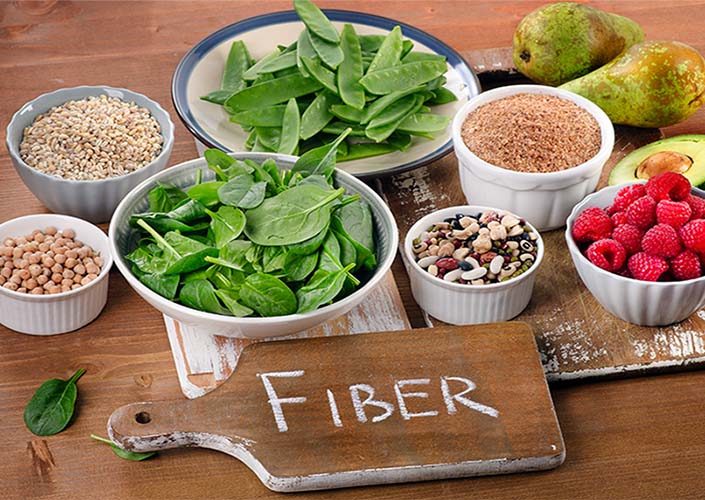
- Boost your fiber slowly. Add fruits, vegetables, whole grains, legumes, or a gentle fiber supplement. Increase gradually to avoid extra bloating.
- Stay hydrated. Your gut needs consistent fluids to keep stool soft and moving.
- Add movement to your day. Walking, stretching, and light activity stimulate natural bowel contractions.
- Honor the urge. Try not to delay going to the bathroom, and create a relaxed routine time in your day.
Consider pelvic floor support
If your stools are soft but you still feel blocked or strain often, pelvic floor dysfunction may be part of the picture. A pelvic health physiotherapist can teach techniques that retrain your muscles and improve emptying.
OTC options when you need extra help
- Bulk forming fiber: Psyllium or methylcellulose can help create soft, easy to pass stools.
- Osmotic laxatives: Options like polyethylene glycol draw water into the stool for smoother passage.
- Stool softeners: These can help if your stool feels particularly hard.
- Stimulant laxatives: Useful for short term relief when other approaches are not enough.
Check with a pharmacist or doctor if you take other medications or are unsure what is safe for you.
What about HRT or prescription medications?
Hormone therapy is not usually a primary treatment for constipation, but for some women it may help with certain digestive symptoms. If your constipation is tied to another medication, your doctor may discuss alternatives.
When specialist care may be helpful
If symptoms last despite consistent effort, your doctor may recommend testing to rule out slow transit constipation, pelvic floor dysfunction, or structural causes.
A simple 2 week plan to get things moving again
- Week 1 foundations: Add one high fiber food daily, drink a glass of water at each meal, take a 20 minute walk, and create a relaxed bathroom time after breakfast.
- Week 2 build on your progress: Add a second daily fiber serving, consider a bulk forming fiber supplement, continue your walking routine, and keep an eye on stool consistency.
- If you do not notice improvement after 2 to 4 weeks, check in with your doctor to explore next steps.
When to see your doctor
Schedule an appointment if you experience:
- A noticeable change in bowel habits lasting more than two weeks.
- Blood in your stool, severe abdominal pain, or unexplained weight loss.
- Constipation that does not improve with lifestyle changes and OTC support.
Key takeaways
- Constipation can be a normal, though frustrating, part of the menopausal transition.
- Hormone shifts, pelvic floor changes, and midlife routines all play a role.
- Fiber, hydration, movement, and consistent habits often bring meaningful relief.
- Help is available if symptoms persist or become uncomfortable.


